
What is Dynamic Pricing?
Your pricing needs to be competitive, but beyond setting a good range – there’s something very important that all hosts should be doing to make more money and increase their bookings.


Lesson 4: What is Dynamic Pricing?
Dynamic pricing, occasionally referred to as surge pricing, is something you’re likely already familiar with. If you’ve ever booked a flight, or even a hotel room – you’ve likely observed how the price for the same room or flight can change day to day.
3 min. – Reading time
 Dynamic pricing is an automatic, often daily, adjustment of prices based on market demand, seasonality, and a huge variety of other factors. Dynamic pricing algorithms are constructed based on huge datasets and often refined through machine learning and AI. They account for data retrieved from online travel agencies (OTAs), concert and events databases, and occasionally hyper-local data.
For short term rentals, dynamic pricing is no different. It helps you fill more room nights by automatically adjusting your rates based on the factors mentioned above.
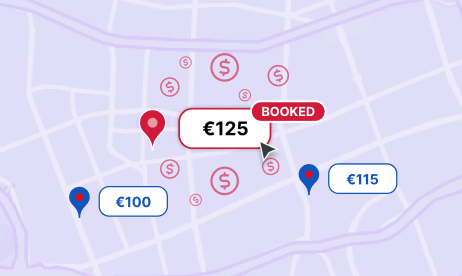
This, however, does not mean that the dynamic pricing algorithm will always bid for the highest price possible. Instead, it focuses more on maximising your occupancy, helping you fill more nights, and get you bookings on days when your property would otherwise be empty.
Aside from the revenue upside, dynamic pricing is a superior alternative for most property managers as it solves a lot of problems associated with fixed pricing.
The problems with fixed / manual pricing
Manual pricing is hard to get right
Pricing (and consistently adjusting pricing to match demand throughout the year) is very hard to master, especially for small to mid sized property managers. It requires an understanding of the market, and becomes exponentially more difficult when you manage several properties in several locations.
Missed revenue during high demand periods
Manual / fixed pricing often leads to missed revenue opportunities during high-demand periods since you are unlikely to account for every fluctuation in the market. As an individual with other responsibilities, it is very hard to account for all the demand-fluctuations throughout the year. This is especially true in bigger cities.
Fewer bookings during the off-season
Manual / fixed pricing can lead to lower occupancy during low-demand periods. You may have no issues getting bookings in the high season, but getting the same results off-peak is another story. Dynamic pricing helps you by finding attractive prices that lead to more bookings when you’d otherwise have very few.
Seasonal variations in demand can lead to overpricing or underpricing
Even if you account for variations in demand or seasonality by adjusting your prices manually, you’re unlikely to match the results of a specially-designed pricing algorithm. Even if you adjust your prices up during your peak season, and down during your off-season, you’re likely to miss out on revenue that dynamic pricing could help you capture.
Pricing is a poor use of time for individuals or small teams
If you’re a property owner or manager with a small team (perhaps you’re in it solo), you’re responsible for everything – cleaning, maintenance, guest communication, book-keeping, and pricing. To price effectively, you’d need to devote a lot of your time to monitoring local events, keeping an eye on your competitors, adjusting for seasons and holidays, and so much more. This could easily take hours of your time each week. Time you could spend improving guest experience, marketing your property, or resting.
Starting off with dynamic pricing
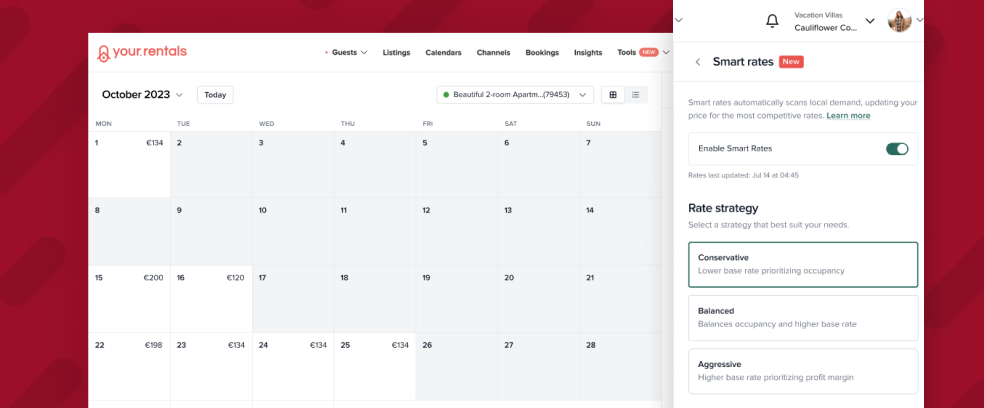
If you have multiple properties in your portfolio and are sceptical about the efficacy of dynamic pricing, you can start with dynamic pricing for one or two listings while keeping the manual rates for the rest of your portfolio.
By comparing results for two listings – with dynamic and manual pricing – you are likely to see advantages in bookings and revenue.
Make short-term observations on a weekly/bi-weekly basis for understanding how dynamic pricing affects bookings for specific days of the week, or specific seasons.
Monthly-quarterly observations allow you to see the effect of dynamic pricing on your peak or off-peak seasons.
It could take up to six months to validate the revenue improvement resulting from dynamic pricing.
How much more revenue does dynamic pricing deliver?
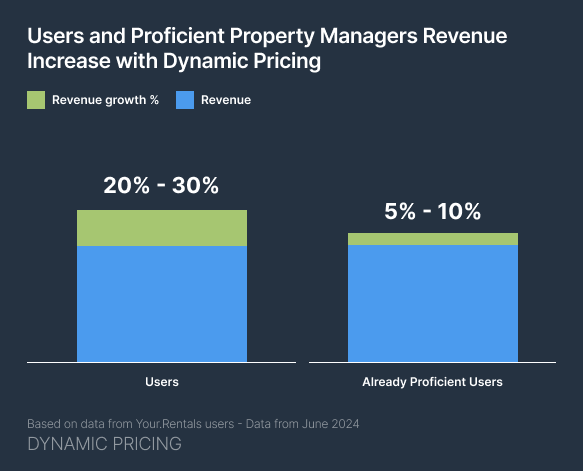
Users typically see revenue increases of 20-30%. Property hosts and managers that were already proficient in pricing typically see a 5% – 10% increase.
Answers to common questions
How should you set your minimum rate?
The minimum rate should be your lowest acceptable rate, considering costs like mortgage and maintenance. It’s recommended to give the algorithm 30 – 40% room to go below the average historical rate.
What if a property isn’t receiving bookings with dynamic pricing?
If bookings aren’t coming in, factors beyond pricing may be affecting a property’s bookability. Your.Rentals users can reach out to their account managers or to support any time for extra assistance.
How does dynamic pricing compare to seasonal rate setting?
Dynamic pricing is a more sophisticated version of seasonal rate setting, requiring users to trust the system rather than manually setting rates for different seasons. It is advised to let the pricing algorithm work for extended periods without manually interfering.
How does dynamic pricing handle major events?
Dynamic pricing monitors and adjusts prices for major events like concerts, festivals, and large-scale happenings, accounting for anticipated demand surges.
How does PriceLabs benefit property managers?
PriceLabs allows managers to focus on other aspects of their business by efficiently handling complex pricing calculations.
Can you override dynamic pricing recommendations?
Users can set custom rates at any time to override the system’s suggestions, allowing for flexibility in special circumstances.
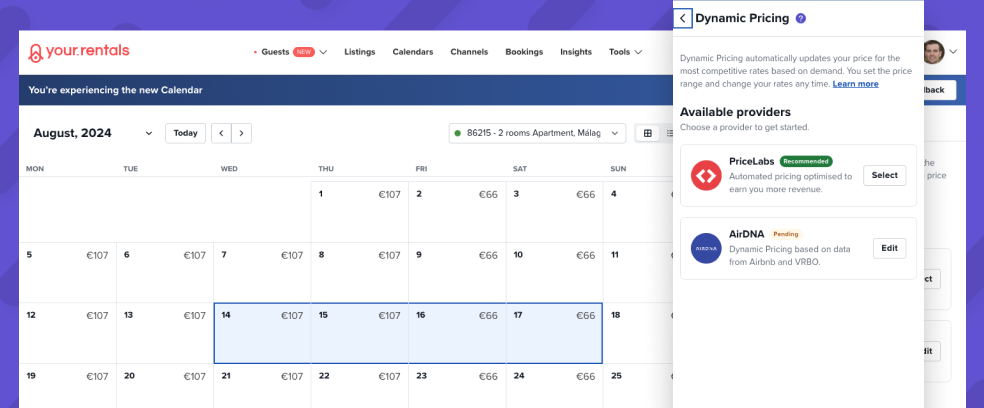
How to set up dynamic pricing within Your.Rentals
You can set up dynamic pricing for any listing in minutes within Your.Rentals at no additional cost. Read this article to find out exactly how to enable dynamic pricing for your properties.

Your.Rentals
Your.Rentals is your All-in-one short term rental management solution. Manage your property listings, calendars, bookings and payouts on dozens of sites all through one single account – no need for an account on each channel. Simple to use and easy to get started. No sign-up fee, no subscription and no additional price per listing. You only pay when you get a booking.
Not using Your.Rentals yet?
Get in touch, or create an account